Source Custom Weight Pickleball Paddle for Training, Matches, and Retail
Find 30 custom weight pickleball paddle options from verified Chinese manufacturers. Compare materials like carbon fiber and steel, check MOQs starting from 1 piece, and review specs for outdoor fitness and bodybuilding use; compare the available evidence and request quotations based on your requirements.
Key considerations
Products List
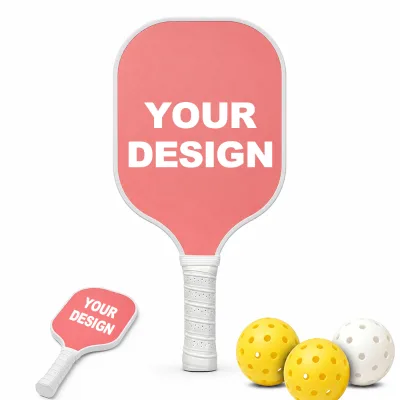
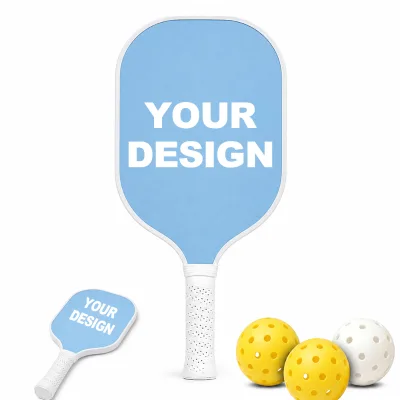
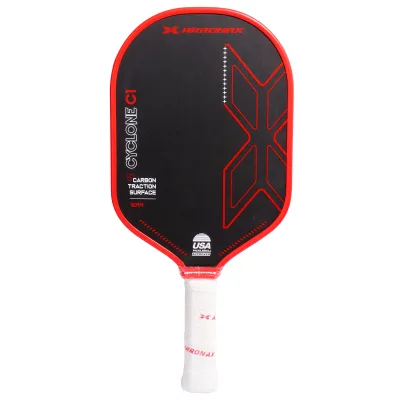


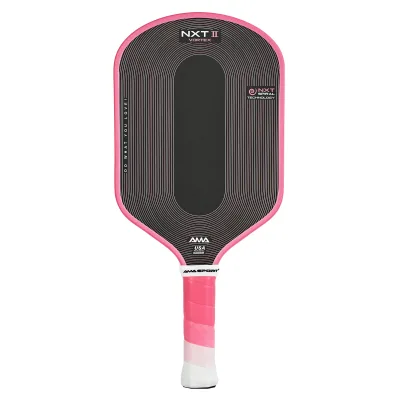


Comprehensive Sourcing Guide
Custom Weight Pickleball Paddle Sourcing Guide
Sourcing custom weight pickleball paddles requires navigating a market where material composition directly dictates performance characteristics and final unit mass. Buyers must distinguish between steel-based training tools and high-performance carbon fiber composites, as the latter offers superior swing dynamics for competitive play. The observed product data indicates a clear divergence in material specifications, ranging from heavy steel construction to lightweight carbon fiber with honeycomb PP cores, necessitating precise definition of the target weight profile before engaging suppliers.
Procurement strategies must account for the variability in customization options, including logo placement, color selection, and specific weight adjustments through core thickness or material density. While some listings suggest a minimum order quantity of just one piece, others require bulk commitments of 100 units, influencing the feasibility of prototyping versus mass production. Understanding these commercial thresholds is essential for aligning the sourcing plan with inventory budgets and the intended market launch timeline.
Product Scope and Observed Listing Signals
The current market landscape for custom weight paddles presents a mix of general fitness equipment and specialized sports gear, often blurring the lines between bodybuilding accessories and actual pickleball implements. Listings frequently describe products with keywords like "Gym Workout Exercise" alongside specific sports terminology, requiring buyers to scrutinize the product name and intended use to ensure the item matches the sport's regulatory standards. The presence of steel materials in some entries suggests a focus on durability for general fitness rather than the lightweight agility required for competitive pickleball.
Buyers should carefully evaluate the observed listing signals regarding package dimensions and gross weight to verify the actual product identity. Discrepancies in single package sizes, ranging from compact 21x8x8 cm units to larger 41x21x0.8 cm configurations, often correlate with the inclusion of carrying bags or specific paddle shapes. The availability of multiple color options, including pink, purple, and black, alongside custom color requests, indicates a mature supply chain capable of meeting branding requirements, provided the core material aligns with performance expectations.
Technical Specifications to Verify
Verifying the core material composition is the primary technical step in sourcing a custom weight paddle, as the choice between steel and carbon fiber fundamentally alters the swing weight and power transfer. High-performance paddles typically utilize carbon fiber combined with a honeycomb PP core, offering a balance of stiffness and shock absorption that steel cannot replicate. Buyers must explicitly confirm the core thickness, which ranges from 10.5 mm to 16 mm in observed listings, as this dimension directly influences the paddle's weight and the resulting control versus power dynamic during play.
Dimensional consistency and shape standardization are equally critical for ensuring the paddle meets player expectations and tournament regulations. The observed data highlights a standard paddle shape with specific length and thickness parameters, yet custom size requests are also prevalent. Procurement teams must validate that the final product adheres to the specified length of 45 cm and the correct thickness profile, ensuring that the custom weight adjustments do not compromise the structural integrity or the aerodynamic properties of the throat edge.
Compliance and Safety Documentation
While specific certification documents are not explicitly detailed in the provided product data, buyers must request evidence of material safety and structural integrity for any custom weight paddle intended for commercial sale. The observation of "Safe" as a key feature suggests a baseline expectation, but this claim requires validation through independent testing reports that verify the durability of the carbon fiber or steel components under repeated impact. Without explicit mention of ISO or ASTM standards in the listings, the burden of proof for safety compliance rests on the supplier to provide relevant test results.
Documentation regarding the manufacturing process and material sourcing is essential for mitigating liability risks associated with equipment failure. Buyers should verify that the supplier can provide material safety data sheets (MSDS) for the carbon fiber and PP core materials, ensuring they are free from harmful substances. Additionally, confirming that the custom logo application process does not introduce chemical hazards or structural weak points is a necessary step in the compliance verification process before finalizing any large-scale order.
Cost Drivers and Commercial Terms
The cost structure for custom weight paddles is heavily influenced by the material selection and the complexity of the customization requested. Carbon fiber composites with honeycomb cores generally command a higher price point than steel alternatives due to the advanced manufacturing processes involved. The observed price range of 0.1 to 110 USD reflects this disparity, with the lower end likely representing basic steel training tools and the higher end corresponding to premium, lightweight carbon fiber models with advanced features like air dynamic throat edges.
Commercial terms such as minimum order quantities and payment structures significantly impact the total cost of ownership for procurement teams. While some suppliers offer a low MOQ of one piece for sampling, bulk orders often require commitments of 100 units or more, which can affect unit pricing and cash flow planning. Payment terms like T/T are standard, and buyers must factor in the sample time of 14 days and the delivery lead time of 15-30 days when calculating the total project timeline and associated inventory carrying costs.
Supplier Qualification and Quality Control
Evaluating supplier qualification requires a deep dive into their manufacturing capabilities and their history of fulfilling custom orders. The presence of OEM/ODM services and sample availability indicates a flexible production environment, but buyers must verify the consistency of their quality control processes across different batches. The observation of multiple places of origin, including Guangdong and Fujian, suggests a competitive market, yet the specific factory capabilities for handling carbon fiber lamination and precision cutting must be confirmed to ensure product uniformity.
Quality control protocols should focus on the consistency of weight distribution and the durability of the paddle surface. Buyers must establish clear acceptance criteria for the custom weight specifications, ensuring that the final product matches the requested mass within a tight tolerance range. Regular inspections during the production phase, particularly for the bonding of the carbon fiber face to the honeycomb core, are essential to prevent delamination or structural failures that could arise from poor manufacturing practices.
Long-Term Procurement Checks
Establishing a long-term procurement strategy involves monitoring the supplier's ability to maintain consistent quality and delivery performance over time. The variability in lead times and the need for custom branding require a robust relationship management system to ensure that future orders meet the same specifications as the initial samples. Buyers should track the supplier's responsiveness to changes in design or material requirements, as the custom nature of the product demands a high degree of flexibility and communication.
Continuous improvement in product specifications and market alignment is vital for sustaining a competitive edge in the pickleball equipment sector. Procurement teams should regularly review the performance of the custom weight paddles in the field, gathering feedback on durability and user satisfaction to inform future design iterations. Maintaining a close partnership with the supplier allows for proactive adjustments to the product line, ensuring that the custom weight paddles remain relevant and high-performing as player preferences and industry standards evolve.
FAQs
What materials are used for custom pickleball paddles?
Custom pickleball paddles are typically constructed from steel or carbon fiber. Some models feature a carbon fiber shell combined with a honeycomb PP core for enhanced durability and performance. These material choices allow for varied weight distributions and swing strengths suitable for different player preferences.
Can I customize the logo on my pickleball paddle?
Yes, customized logos are available for most custom pickleball paddle orders. Buyers can request specific branding to be applied to the paddle surface. This service supports OEM and ODM requirements, allowing businesses to create unique products that align with their brand identity and marketing strategies effectively.
What is the minimum order quantity for custom paddles?
The minimum order quantity varies by supplier, ranging from 1 piece to 1000 pieces. Some vendors offer low MOQs starting at just one unit for samples, while others require bulk orders of 100 pieces or more. Buyers should check specific supplier terms to find the best fit for their needs.
How long does delivery take for custom orders?
Delivery times for custom pickleball paddles generally range from 15 to 30 days after order confirmation. Sample preparation may take approximately 14 days. These lead times depend on the complexity of customization and the manufacturer's current production capacity, so early planning is recommended for timely project completion.
What thickness options are available for carbon fiber paddles?
Carbon fiber pickleball paddles are available in various thicknesses, including 10.5 mm, 11 mm, 13 mm, 13.4 mm, 14 mm, 15 mm, and 16 mm. These different thicknesses affect the paddle's weight and power, allowing players to select the optimal balance for their specific playing style and physical requirements.
Where are custom pickleball paddles manufactured?
Custom pickleball paddles are primarily manufactured in China, with production hubs located in Guangdong and Fujian provinces. These regions offer established supply chains for materials like steel and carbon fiber. Buyers can source directly from these locations to benefit from competitive pricing and efficient logistics for international shipping.